
what is a hip to gable loft conversion
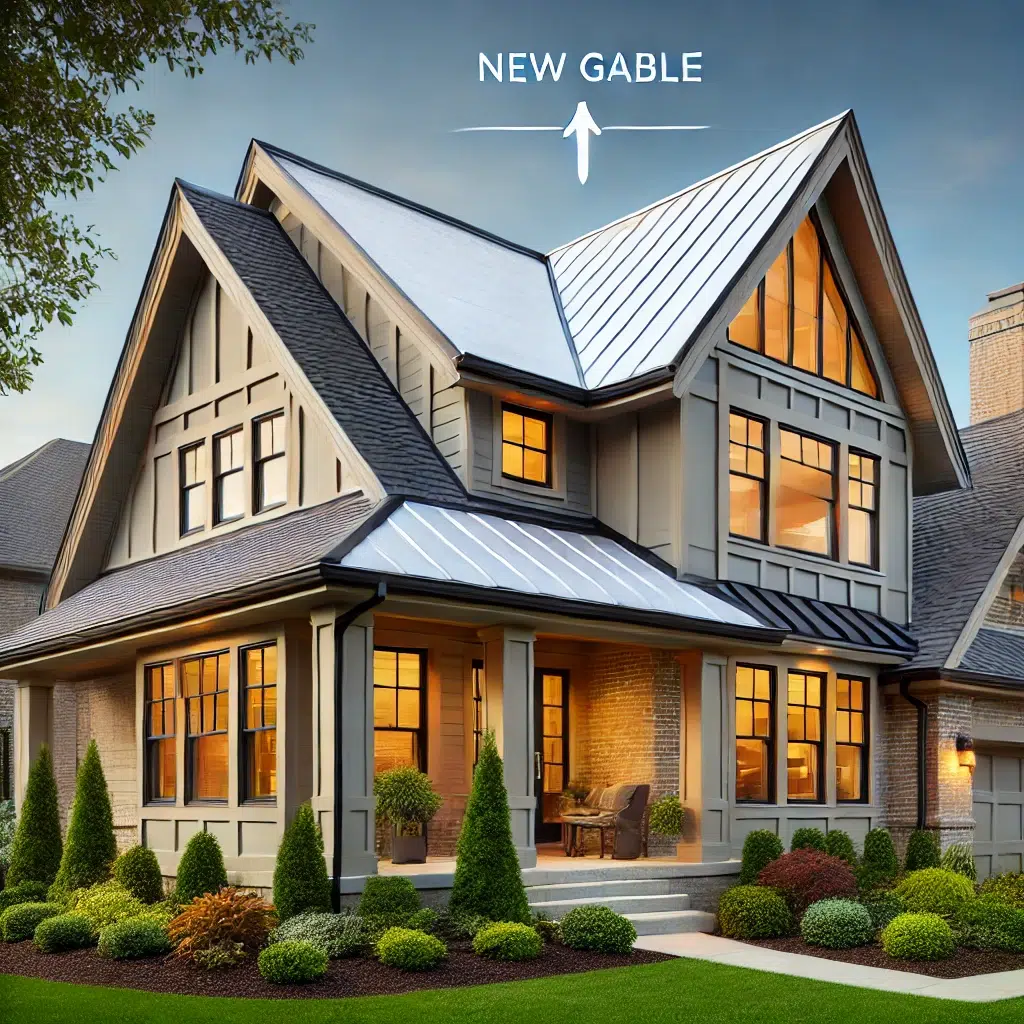
What is a Hip to Gable Loft Conversion? The Ultimate Guide Looking to expand your living space without the hassle of moving? A hip to gable loft conversion could be the perfect solution for your Oxford home. This popular renovation transforms the sloped side of your roof into a vertical wall, creating substantial additional living space. At Oxford Loft Conversion, we’ve spent over 20 years perfecting the art of what is a hip to gable loft conversion, helping countless homeowners maximize their property’s potential with stunning results. Before and after: A typical hip to gable conversion by Oxford Loft Conversion What is a Hip to Gable Loft Conversion? A hip to gable loft conversion involves changing the sloping side of your roof (the hip) into a vertical wall (the gable). This structural modification extends the existing ridge line to meet the new gable end, effectively squaring off your loft space and creating significantly more usable floor area with full head height. This type of conversion is particularly suitable for semi-detached, end-of-terrace houses and detached properties that have a hipped roof. By replacing the sloping roof with a vertical wall, you gain valuable additional space that would otherwise be lost to the roof’s slope. Technical diagram showing the transformation from hip to gable Benefits of a Hip to Gable Loft Conversion Converting your hipped roof to a gable end offers numerous advantages for homeowners in Oxford and surrounding areas: Maximized Space The primary benefit is the significant increase in usable floor space. By replacing the sloping hip with a vertical gable wall, you create a squared-off room with more head height and floor area. Added Property Value A well-executed hip to gable conversion can increase your property’s value by 15-20%, making it a sound investment for the future. Cost-Effective Extension Compared to traditional extensions, loft conversions typically cost less per square meter while avoiding the loss of garden space. Natural Light The new gable end allows for the installation of windows, bringing abundant natural light into your new space. Versatile Usage The additional space can be utilized in numerous ways – from master bedrooms with en-suites to home offices, playrooms, or even a self-contained guest suite. No Planning Permission (Usually) In most cases, hip to gable conversions fall under permitted development rights, meaning you won’t need to apply for planning permission (though exceptions apply). A spacious and light-filled loft room created through a hip to gable conversion Ready to transform your loft space? Our team of experienced builders can help you maximize your home’s potential with a bespoke hip to gable conversion. Call us on 07881 005 220 Get a Free Quote The Hip to Gable Loft Conversion Process Understanding the conversion process helps you know what to expect when transforming your loft. At Oxford Loft Conversion, we follow a comprehensive approach: Initial Consultation – We visit your property to assess suitability and discuss your requirements. Design and Planning – Our architects create detailed plans tailored to your needs and property. Permissions and Regulations – We handle planning permission applications (if needed) and ensure building regulations compliance. Structural Work – The conversion begins with removing the hip section and constructing the new gable wall. Roof Alterations – We extend the ridge line and create the new roof structure. Internal Construction – Floor reinforcement, staircase installation, insulation, and partition walls are added. Finishing Work – Plastering, decorating, electrics, plumbing, and final touches complete the project. Our skilled team during the construction phase of a hip to gable conversion Planning Permission and Building Regulations Understanding the legal requirements for your hip to gable conversion is essential before starting your project: Permitted Development Rights Most hip to gable loft conversions fall under permitted development rights, meaning formal planning permission isn’t required if your project meets certain criteria: The additional roof space doesn’t exceed 50 cubic meters for detached and semi-detached houses (40 cubic meters for terraced houses) No extension is higher than the existing roof’s highest point Materials used are similar in appearance to the existing house No verandas, balconies, or raised platforms are included Side-facing windows are obscure-glazed and non-opening if less than 1.7m from the floor When Planning Permission Is Required You’ll need to apply for planning permission if: Your property is in a conservation area, national park, or Area of Outstanding Natural Beauty Your house is listed The conversion exceeds permitted development limits Your permitted development rights have been removed Building Regulations All loft conversions must comply with building regulations, regardless of planning permission requirements. These cover: Structural stability Fire safety and escape routes Staircase design and positioning Insulation and energy efficiency Sound insulation Electrical safety At Oxford Loft Conversion, we handle all aspects of planning and building regulations compliance, ensuring your project progresses smoothly and meets all legal requirements. Professional planning and technical drawings are essential for a successful conversion Hip to Gable Loft Conversion Costs Understanding the investment required for your hip to gable conversion helps with budgeting and planning: Conversion Type Average Cost Range Typical Timeframe Key Factors Affecting Cost Basic Hip to Gable £30,000 – £45,000 6-8 weeks Property size, roof complexity, existing structure Hip to Gable with Dormer £40,000 – £55,000 8-10 weeks Additional structural work, dormer size, window requirements Hip to Gable with En-suite £45,000 – £60,000 9-12 weeks Plumbing requirements, bathroom fixtures, tiling Double Hip to Gable (Detached) £50,000 – £70,000 10-14 weeks Dual structural changes, increased materials, complexity What Influences the Cost of a Hip to Gable Loft Conversion? Property Size and Type – Larger properties require more materials and labor Roof Complexity – More complex roof structures require additional structural work Interior Finish Level – Basic vs. luxury finishes significantly impact cost Additional Features – En-suites, custom storage, or premium windows add to the cost Structural Requirements – Some properties need additional reinforcement Access Difficulties – Challenging access can increase labor costs Location – Oxford and surrounding areas have varying labor rates Planning Requirements – Special requirements in conservation areas may